
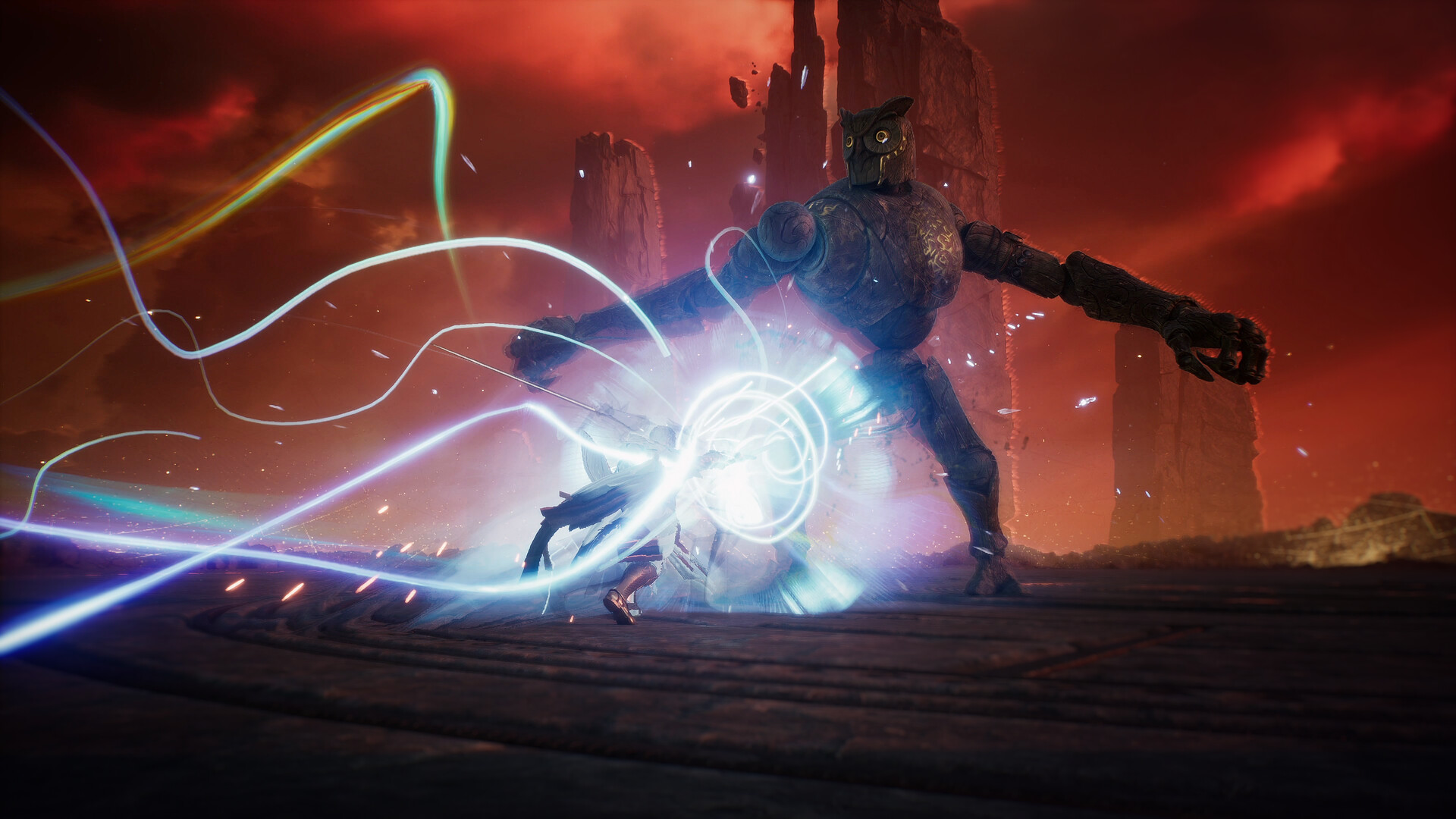
AION 2 - All 8 Launch Classes Overview & Playstyles
Transcript status: transcribed. The article below is the approved written guide derived from this registered source.
Watch Source Video ↗Selecting your starting Daeva specialization at the launch of AION 2 establishes the foundation for your entire journey across Atreia. The launch roster delivers eight distinct classes organized across four traditional fantasy archetypes: Warrior, Scout, Mage, and Priest. Unlike generic class systems in contemporary MMOs, AION 2 emphasizes rigid role identity coupled with three-dimensional flight maneuvering. Each specialization features unique resource generation models, custom combo chains, positional requirements, and aerial flight adaptations. Understanding the core strengths and limitations of each class before committing to your leveling campaign guarantees an enjoyable and efficient progression through both solo narrative quests and challenging group expeditions. Furthermore, team compositions depend heavily on synergistic pairings, meaning that solo efficiency must always be balanced against endgame group demand.

The Warrior lineage begins with the mighty Gladiator, an unstoppable frontline powerhouse specializing in heavy crowd control and continuous sweeping damage. Wielding extended two-handed polearms or dual swords, Gladiators excel at breaking through fortified enemy defensive positions. Their combat kit focuses on chaining devastating knockdown effects that leave adversaries vulnerable to follow-up aerial executions. When engaged in open-field Abyss skirmishes, Gladiators use gap-closing leaps and wide cleaves to disrupt enemy formations, making them the premier physical brawler for players who relish aggressive, high-pressure melee confrontations. Additionally, their mastery over varied physical armaments allows them to adapt between sustained single-target pressure with greatswords and sweeping crowd control with wide-arc polearms. In coordinated guild warfare, an advancing frontline of seasoned Gladiators creates the essential spatial disruption needed for backline casters to unleash unmitigated destruction.

Complementing the Gladiator is the stalwart Templar, the definitive protective guardian of Atreia. Equipped with one-handed swords or warhammers alongside heavy tower shields, Templars provide peerless defensive mitigation, threat generation, and emergency crowd management. Their specialized shield block stances absorb crushing boss blows that would instantly dispatch lesser combatants, while restorative divine auras actively intercept damage aimed at fragile party members. While their damage throughput is deliberate and methodical, no endgame dungeon raid or coordinated fortress defense can succeed reliably without a veteran Templar anchoring the frontline. Furthermore, their signature Iron Skin and Divine Grasp abilities allow them to yank priority enemy damage dealers out of position and neutralize threatening burst windows. Mastering defensive reaction timings and threat rotation priority turns a good Templar into the revered cornerstone of any successful raiding legion.
For players who prize lethal agility, cunning evasion, and precision timing, the Scout archetype introduces two contrasting specializations. The Assassin operates primarily from shadows, employing deep stealth mechanics, fast dagger flurry rotations, and precise rune-carving combinations to eliminate high-value targets before vanishing. Conversely, the Ranger dominates medium-to-long distance combat, deploying longbow precision shots and strategic terrain traps to dictate combat tempo. Rangers excel particularly in aerial flight dogfights, gliding along elevation currents while raining concussive arrows onto pursuing foes from safe altitudes. Both classes require exceptional twitch reflexes, spatial awareness, and impeccable positional discipline, as their light leather armor provides minimal protection when caught in heavy enemy crowd control. Knowing precisely when to commit to an ambush and when to retreat into evasive flight separates novice Scouts from lethal battlefield predators.
The Mage archetype channels the chaotic arcane forces unleashed by the shattering of the Tower of Eternity. Sorcerers stand as the absolute masters of cataclysmic burst damage, channeling searing flames and freezing blizzards that obliterate clustered ranks from extreme range, though their glass-cannon nature requires careful positioning and cast-bar management. In contrast, Spiritmasters master tactical attrition, summoning elemental familiars to harass opponents while applying unrelenting damage over time curses, removing positive enemy defensive enchantments, and locking down priority targets with fear debuffs. In prolonged siege standoffs, the presence of skilled Spiritmasters dismantles enemy frontline buff stacks, allowing allied physical squads to carve through previously impervious defenses. Managing mana efficiency and defensive spacing remains paramount for both spellcasting masteries.
Rounding out the launch roster, the Priest archetype ensures group survival and operational longevity. The Cleric operates as the premier direct restoration healer, armed with powerful burst heals, wide-area cleansing rites, and indispensable resurrection spells capable of rescuing parties from imminent wipe mechanics. Meanwhile, the versatile Chanter combines solid staff-based melee combat with continuous supportive mantras, permanently elevating movement velocity, critical strike ratings, and cast speeds for the entire squad. Choosing between pure restorative sanctuary and dynamic combat support defines your vital place in team gameplay. Experienced squads routinely deploy both specializations together, allowing the Cleric to maintain unwavering focus on primary tank stabilization while the Chanter provides secondary triage healing and offensive momentum amplification.